How 3PL Warehousing Can Streamline Your E-Commerce Business

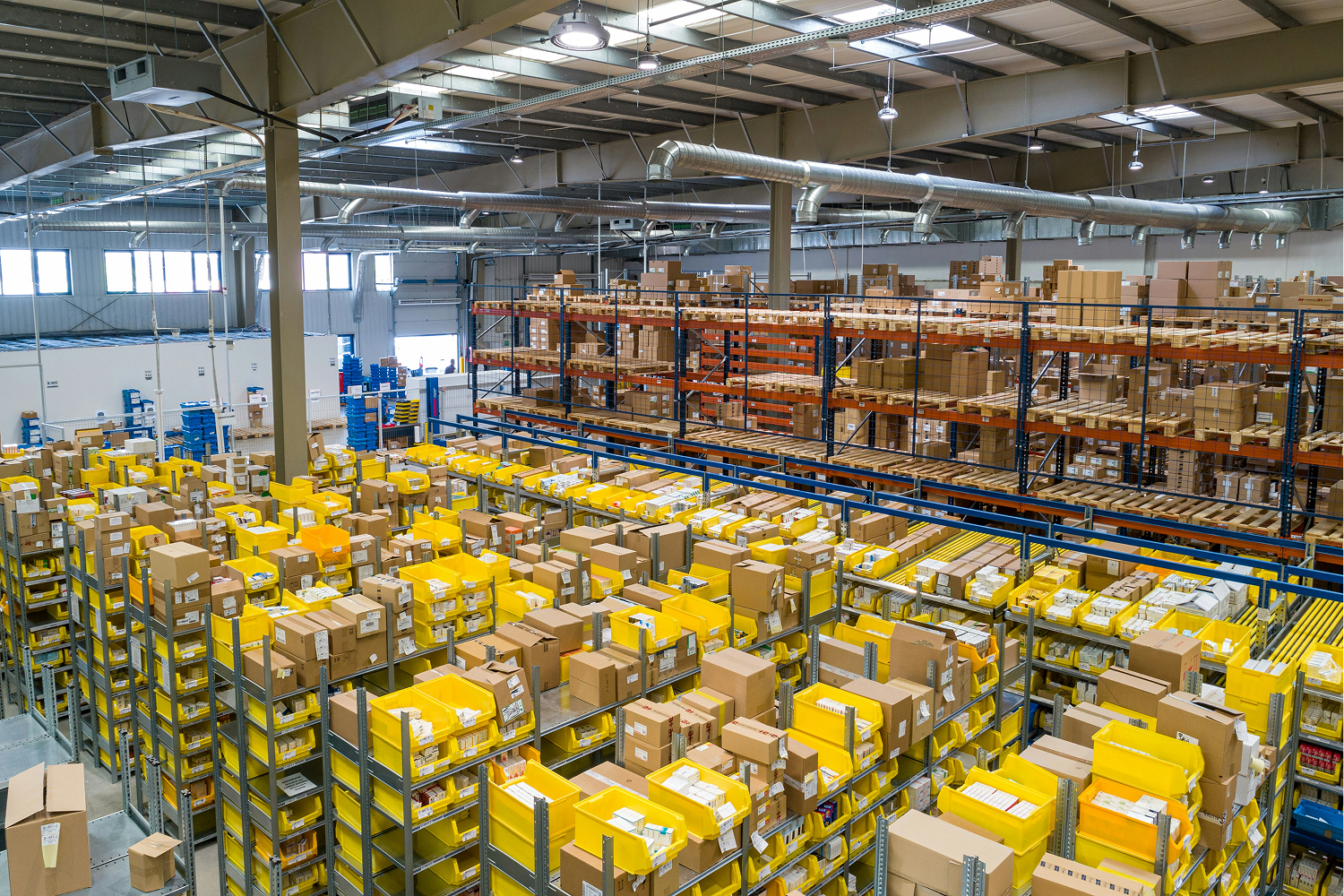
In the fast-paced world of e-commerce, businesses must meet customer expectations for quick and efficient order fulfillment. Managing inventory, packing orders, and handling shipping logistics can quickly become overwhelming, especially as your business grows. This is where third-party logistics (3PL) warehousing comes into play. By outsourcing logistics to a 3PL provider, e-commerce businesses can enhance efficiency, reduce operational costs, and improve customer satisfaction.

What is 3PL Warehousing?

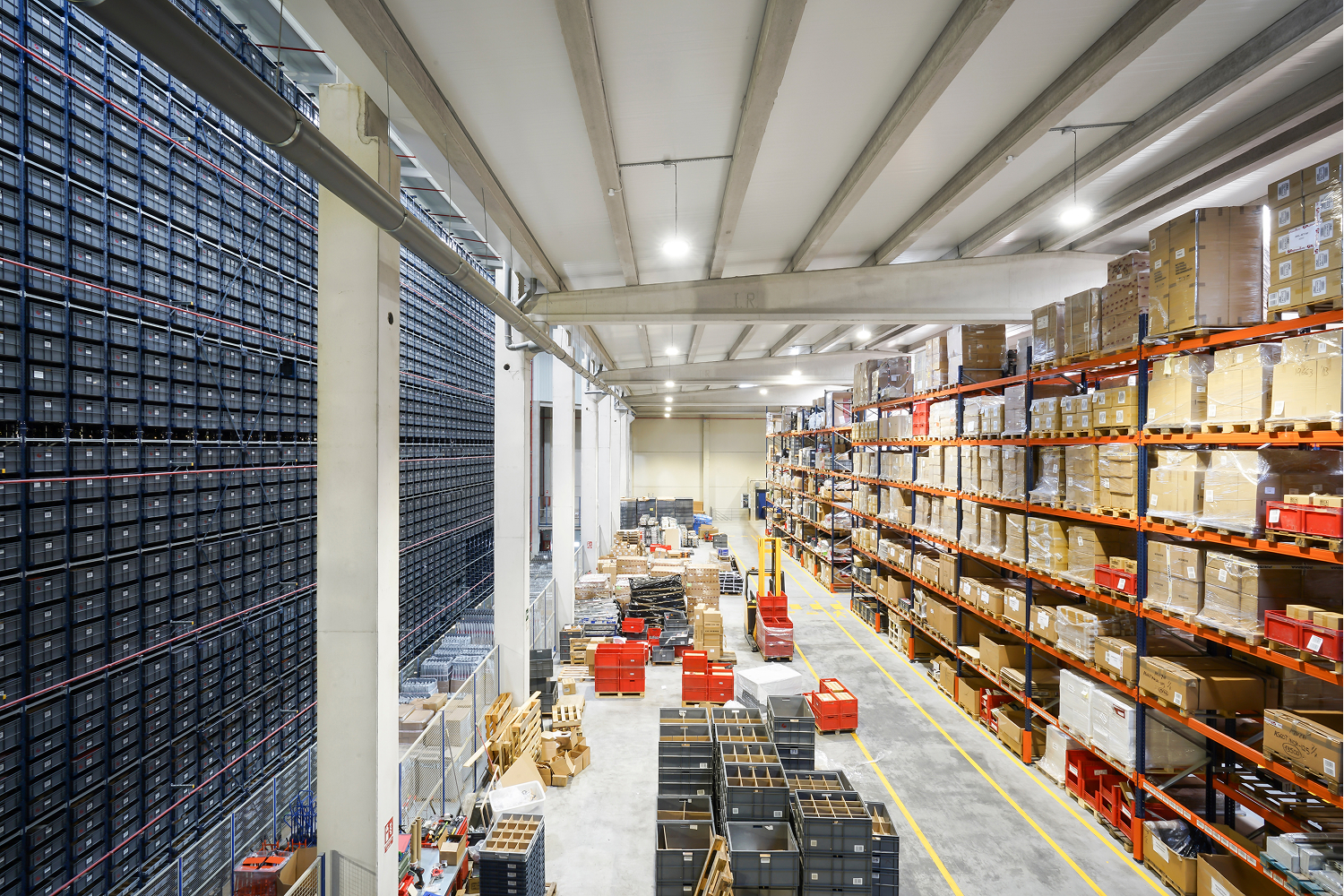
3PL warehousing refers to outsourcing storage, fulfillment, and distribution tasks to a third-party logistics provider. These companies specialize in handling inventory, picking and packing orders, and shipping products to customers. By using 3PL services, businesses can focus on their core operations, such as marketing and product development, while leaving the logistics to experts.

Benefits of 3PL Warehousing for E-Commerce Businesses

1. Improved Order Fulfillment

A reliable 3PL provider ensures that orders are processed quickly and accurately. Their systems are optimized for efficiency, meaning orders can be packed and shipped in record time. With strategically located warehouses, they can also offer faster shipping times, helping e-commerce businesses meet customer expectations for same-day or next-day delivery.

2. Cost Savings

Managing a warehouse in-house comes with high overhead costs, including rent, labor, utilities, and equipment. 3PL providers distribute these costs across multiple clients, making logistics services more affordable. Additionally, they have established relationships with carriers, which means better shipping rates and cost-effective transportation solutions for your business.

3. Scalability and Flexibility

One of the biggest advantages of using a 3PL warehouse is the ability to scale operations based on demand. Whether your business experiences seasonal spikes or rapid growth, a 3PL provider can adjust inventory storage and fulfillment operations accordingly. This flexibility allows businesses to expand without the risk of overcommitting to warehouse space or staff.

4. Access to Advanced Technology

3PL providers invest in state-of-the-art technology, including warehouse management systems (WMS), inventory tracking software, and automated fulfillment processes. These tools provide real-time inventory updates, minimize errors, and enhance overall efficiency. By leveraging this technology, e-commerce businesses can gain valuable insights into order trends, stock levels, and customer buying patterns.

5. Reduced Shipping and Handling Errors

Handling logistics in-house increases the likelihood of mistakes, such as shipping incorrect items or failing to update inventory. 3PL providers have rigorous quality control measures in place, reducing the chances of human error. By ensuring accuracy in order fulfillment, businesses can minimize returns and enhance customer satisfaction.

6. Faster Market Expansion

If you’re looking to expand into new markets, a 3PL provider can make the process much easier. With a network of distribution centers, they can help businesses ship products to international customers more efficiently. Additionally, they handle customs, duties, and regulations, simplifying the complexities of global shipping.

Conclusion

E-commerce success relies on efficient logistics and seamless order fulfillment. By partnering with a 3PL warehousing provider, businesses can enhance operational efficiency, cut costs, and improve customer experience. Whether you’re a startup looking to grow or an established brand aiming to scale, outsourcing logistics to a 3PL provider is a strategic move that can help streamline your e-commerce business for long-term success.

The Future of 3PL: Trends and Technologies to Watch in 2025

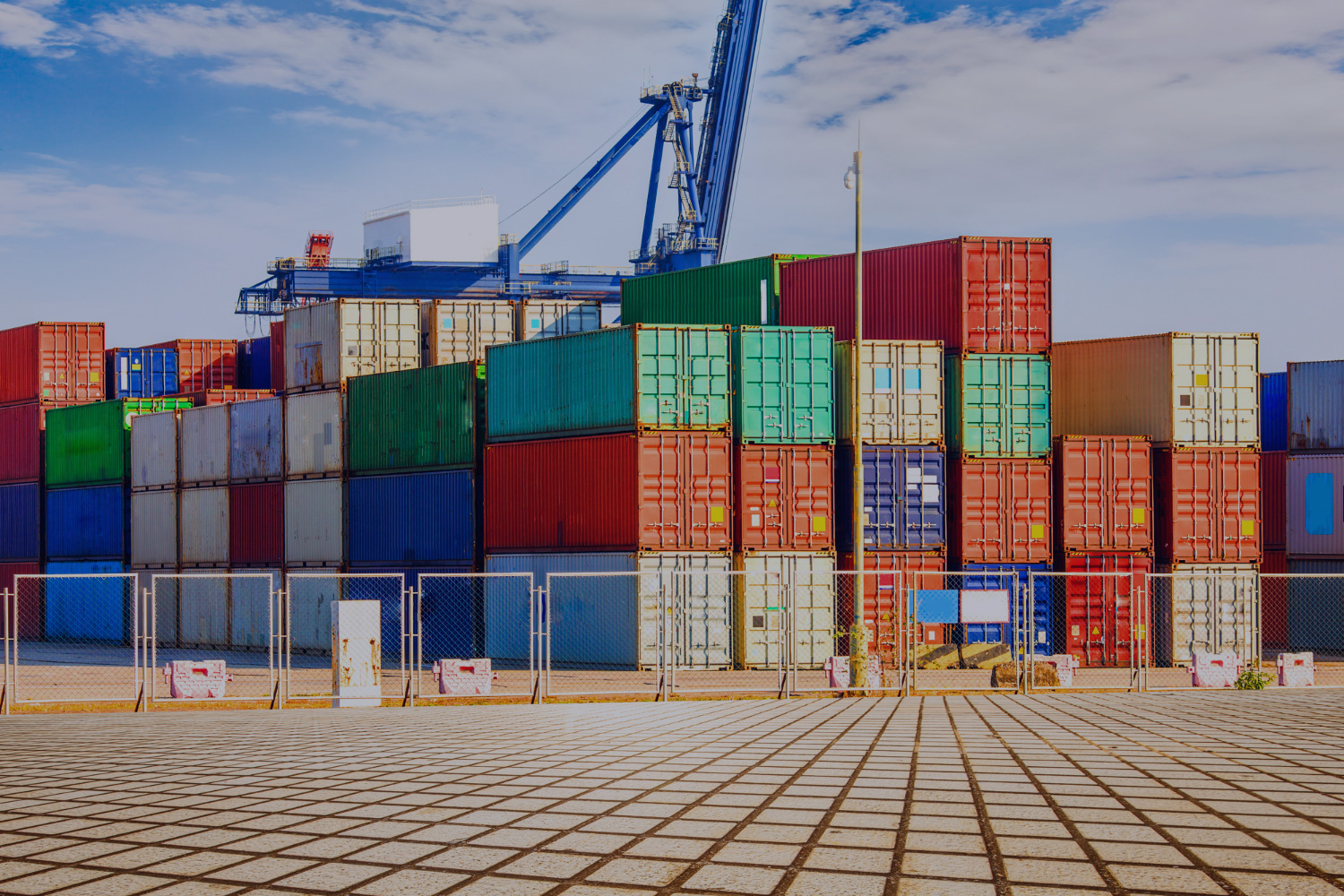
The third-party logistics (3PL) industry is constantly evolving to meet the ever-changing demands of global commerce. As businesses strive for efficiency and cost-effectiveness, 3PL providers are adopting new technologies and strategies to stay ahead of the curve. In 2025, several key trends and advancements will shape the future of logistics. Here’s a closer look at what to expect.

1. Automation and Robotics

Automation is revolutionizing the logistics industry. Warehouses are increasingly integrating robotics to handle picking, packing, and sorting tasks. Automated guided vehicles (AGVs) and autonomous mobile robots (AMRs) will continue to enhance warehouse operations, reducing human error and speeding up order fulfillment. By 2025, we can expect even more widespread adoption of AI-driven robotics in 3PL warehouses.

2. AI and Predictive Analytics

Artificial intelligence (AI) is transforming logistics planning. Predictive analytics helps 3PL providers forecast demand, optimize inventory levels, and prevent supply chain disruptions. AI-powered algorithms will improve route optimization, enabling faster and more cost-efficient deliveries. As AI becomes more sophisticated, it will play a crucial role in decision-making and efficiency improvements in 3PL operations.

3. Sustainable Logistics Solutions

Sustainability is becoming a top priority for businesses and consumers alike. In 2025, 3PL providers will focus on reducing carbon footprints through eco-friendly packaging, electric delivery vehicles, and optimized route planning to minimize emissions. Additionally, green warehouses powered by renewable energy sources will become more common as companies strive for carbon neutrality.

4. Blockchain for Transparency and Security

Blockchain technology is set to enhance supply chain transparency and security. By leveraging decentralized ledgers, 3PL companies can ensure end-to-end visibility of shipments, reducing fraud and improving trust between stakeholders. Smart contracts will also streamline payments and automate compliance, leading to more efficient operations.

5. On-Demand Warehousing and Micro-Fulfillment Centers

As e-commerce continues to grow, businesses will require more flexible warehousing solutions. On-demand warehousing allows companies to scale their storage needs dynamically. Micro-fulfillment centers, strategically located near urban hubs, will enable faster delivery times and reduce last-mile logistics costs. This trend will be particularly significant for brands aiming to provide same-day or next-day delivery services.

6. 5G Connectivity for Real-Time Tracking

The rollout of 5G networks will enhance real-time tracking capabilities for 3PL providers. Faster and more reliable connectivity will improve supply chain visibility, allowing businesses to monitor shipments with greater accuracy. This advancement will lead to improved decision-making and more efficient inventory management.

7. Augmented Reality (AR) in Warehousing

Augmented reality (AR) is making its way into warehouse operations, providing workers with hands-free access to information. AR-assisted picking systems, using smart glasses or headsets, can guide warehouse employees to the correct locations, reducing errors and increasing productivity. In 2025, more warehouses will adopt AR to streamline processes and enhance efficiency.

Conclusion

The future of 3PL is being shaped by cutting-edge technology and evolving consumer expectations. From automation and AI to blockchain and sustainability initiatives, the logistics industry is poised for significant advancements. Businesses that partner with forward-thinking 3PL providers will gain a competitive edge in an increasingly complex supply chain landscape. As we move into 2025, embracing these innovations will be key to success in the logistics industry.

Choosing the Right 3PL Partner: Key Factors to Consider

Selecting the right third-party logistics (3PL) partner is crucial for the success of your business. Whether you’re an e-commerce brand looking for fulfillment services or a manufacturer in need of a streamlined supply chain, a 3PL provider can play a pivotal role in enhancing efficiency, reducing costs, and improving customer satisfaction. With so many providers available, making the right choice can be challenging. Here are the key factors to consider when selecting a 3PL partner.

1. Industry Experience and Expertise

A 3PL provider with extensive experience in your industry will better understand your specific logistics challenges and requirements. They will have the knowledge and best practices to manage your supply chain efficiently. Look for a provider that has a proven track record working with businesses similar to yours.

2. Technology and Integration Capabilities

In today’s digital world, technology is a critical component of logistics operations. A reliable 3PL partner should offer advanced warehouse management systems (WMS), real-time tracking, and seamless integration with your existing e-commerce platform or enterprise resource planning (ERP) system. Ensure that the 3PL provider’s technology can meet your business needs.

3. Scalability and Flexibility

Your logistics needs will evolve as your business grows. A good 3PL partner should be able to scale operations up or down based on your demand fluctuations. Whether it’s seasonal spikes, business expansion, or unexpected changes, the right provider will have the flexibility to accommodate your needs.

4. Geographic Network and Distribution Capabilities

The location of a 3PL’s fulfillment centers can significantly impact shipping times and costs. Choosing a provider with strategically located warehouses can help reduce transit times and offer cost-effective shipping solutions. Ensure that the 3PL’s distribution network aligns with your target markets for efficient delivery.

5. Cost and Pricing Structure

Understanding the cost structure of a 3PL provider is essential. Pricing models can vary based on storage, fulfillment, shipping, and additional services. Look for transparency in pricing and ensure there are no hidden fees. Comparing multiple providers can help you find a cost-effective solution that aligns with your budget.

6. Reliability and Service Levels

The efficiency of a 3PL provider directly impacts customer satisfaction. Assess their performance metrics, including order accuracy rates, on-time delivery percentages, and inventory management practices. Reading customer reviews and testimonials can provide insights into the provider’s reliability and service quality.

7. Customer Support and Communication

A strong partnership with a 3PL provider requires open and effective communication. Ensure that the provider has a dedicated support team that is responsive and proactive in addressing any concerns. Clear communication channels will help resolve issues quickly and keep your supply chain running smoothly.

8. Value-Added Services

Some 3PL providers offer additional services such as kitting, packaging, returns management, and customized solutions. Depending on your business needs, these value-added services can provide extra convenience and efficiency, helping you differentiate your brand.

Conclusion

Choosing the right 3PL partner is a strategic decision that can impact your business’s growth and operational efficiency. By evaluating factors such as industry experience, technology, scalability, geographic reach, cost, reliability, and customer support, you can select a provider that aligns with your business goals. A well-chosen 3PL partner will not only optimize your supply chain but also enhance customer satisfaction and drive long-term success.

How a 3PL Warehouse Improves Order Fulfillment and Customer Satisfaction

In today’s fast-paced e-commerce landscape, efficient order fulfillment is essential for maintaining customer satisfaction and staying competitive. Businesses that struggle with inventory management, shipping delays, and logistical inefficiencies often turn to third-party logistics (3PL) providers for support. A 3PL warehouse plays a vital role in streamlining order fulfillment, reducing costs, and enhancing the overall customer experience. Here’s how leveraging a 3PL warehouse can improve order fulfillment and customer satisfaction.

1. Faster and More Accurate Order Processing

One of the primary advantages of a 3PL warehouse is its ability to handle high volumes of orders efficiently. With advanced warehouse management systems (WMS), automation, and trained personnel, a 3PL provider ensures that orders are picked, packed, and shipped with precision. Faster processing times lead to quicker deliveries, which directly impact customer satisfaction and repeat purchases.

2. Optimized Inventory Management

Managing inventory can be complex, especially for growing businesses. 3PL warehouses use real-time inventory tracking systems that help prevent stockouts and overstocking. This level of accuracy allows businesses to maintain optimal stock levels, reducing lost sales due to unavailable products and minimizing excess inventory costs.

3. Strategic Warehouse Locations for Faster Shipping

3PL providers often have multiple fulfillment centers strategically located across different regions. This allows businesses to store products closer to their customers, reducing transit times and shipping costs. Faster shipping is a key factor in customer satisfaction, as consumers increasingly expect next-day or even same-day deliveries.

4. Cost Savings Through Economies of Scale

Operating an in-house fulfillment center can be costly, requiring investments in warehouse space, technology, and labor. 3PL providers distribute these expenses across multiple clients, making logistics more affordable. Businesses can benefit from bulk shipping discounts, efficient packaging solutions, and reduced storage costs, ultimately lowering operational expenses.

5. Scalability and Flexibility

A major challenge for businesses is handling fluctuations in demand, particularly during peak seasons. A 3PL warehouse provides the flexibility to scale operations up or down based on sales trends. This ensures that businesses can efficiently manage seasonal spikes without overcommitting to warehouse space or staff.

6. Seamless Returns and Reverse Logistics

Handling returns efficiently is just as crucial as order fulfillment. 3PL providers streamline the returns process by managing inspections, restocking, and exchanges, making it easier for customers to return products hassle-free. A well-managed return process boosts customer confidence and loyalty.

7. Enhanced Customer Experience

Ultimately, a well-optimized 3PL warehouse ensures that customers receive their orders accurately and on time. Order tracking, proactive communication, and hassle-free returns contribute to a positive customer experience. When customers are satisfied, they are more likely to leave positive reviews and recommend the brand to others.

Conclusion

A 3PL warehouse significantly improves order fulfillment by enhancing accuracy, reducing shipping times, optimizing inventory management, and providing cost-effective logistics solutions. By leveraging the expertise and infrastructure of a 3PL provider, businesses can focus on growth while ensuring customer satisfaction remains a top priority. Investing in a 3PL warehouse is a strategic move that leads to operational efficiency and long-term success.

Reducing Shipping Costs with a 3PL Provider: Strategies for Businesses

Shipping costs are a significant expense for businesses, particularly in the e-commerce and retail sectors. High shipping costs can impact profit margins and customer satisfaction, making cost optimization a priority. Partnering with a third-party logistics (3PL) provider can help businesses reduce shipping costs while improving efficiency. Here are some key strategies businesses can leverage when working with a 3PL provider to minimize shipping expenses.

1. Leverage Bulk Shipping Discounts

3PL providers handle logistics for multiple clients, allowing them to negotiate bulk shipping rates with carriers. By consolidating shipments and leveraging volume discounts, businesses can benefit from lower per-unit shipping costs. This is particularly beneficial for companies that ship high volumes of products.

2. Optimize Warehouse Locations

A strategically located warehouse network can reduce shipping distances and transit times. 3PL providers often have fulfillment centers in multiple regions, allowing businesses to store inventory closer to customers. This reduces last-mile delivery costs and enables faster shipping, which enhances customer satisfaction.

3. Use Data-Driven Shipping Strategies

3PL providers utilize advanced analytics to optimize shipping routes and identify cost-saving opportunities. By analyzing order patterns and customer locations, businesses can adjust their fulfillment strategies to reduce unnecessary shipping expenses. Predictive analytics also help in demand forecasting, ensuring efficient inventory distribution.

4. Implement Zone Skipping

Zone skipping is a logistics strategy where shipments bypass multiple carrier zones, reducing handling costs and delivery times. By leveraging regional distribution centers, businesses can send bulk shipments closer to the final destination before breaking them into smaller deliveries. This minimizes the number of transit zones, leading to lower shipping expenses.

5. Consolidate Shipments

Consolidating multiple orders into a single shipment can reduce costs associated with packaging, handling, and transportation. 3PL providers facilitate freight consolidation, allowing businesses to combine smaller shipments into larger loads. This approach is particularly useful for companies that ship frequently to the same locations.

6. Utilize Multiple Carrier Options

Different carriers offer varying rates based on package size, weight, and destination. A 3PL provider has access to multiple carrier options and can choose the most cost-effective one for each shipment. This flexibility enables businesses to optimize shipping costs by selecting the best carrier for their specific needs.

7. Adopt Sustainable Packaging Practices

Reducing package weight and size can significantly lower shipping costs. A 3PL provider can help businesses adopt eco-friendly, cost-effective packaging solutions that minimize dimensional weight pricing. Smaller and lighter packages lead to reduced shipping fees while also supporting sustainability initiatives.

8. Improve Returns Management

Handling returns efficiently is essential to keeping logistics costs under control. A 3PL provider can streamline reverse logistics, reducing return processing expenses and minimizing losses. By optimizing return policies and using localized return centers, businesses can lower shipping costs related to product returns.

Conclusion

Reducing shipping costs while maintaining efficient logistics operations is a challenge for many businesses. Partnering with a 3PL provider offers various cost-saving strategies, including bulk shipping discounts, warehouse optimization, data-driven decision-making, and carrier diversification. By implementing these strategies, businesses can enhance profitability, improve customer satisfaction, and gain a competitive edge in the market. Leveraging the expertise and infrastructure of a 3PL provider is a smart investment for businesses aiming to optimize their shipping operations.

The Role of 3PL in Peak Season Logistics: How to Stay Ahead During High-Demand Periods

Peak seasons bring both opportunities and challenges for businesses, especially in retail and e-commerce. Increased order volumes, tight delivery timelines, and heightened customer expectations can strain logistics operations. Partnering with a third-party logistics (3PL) provider can help businesses navigate these challenges efficiently. Here’s how a 3PL provider plays a crucial role in peak season logistics and how businesses can stay ahead during high-demand periods.

1. Scalability to Handle Increased Order Volumes

During peak seasons, businesses experience a surge in orders. 3PL providers offer scalable solutions that allow businesses to expand warehouse space, labor, and shipping capacity as needed. This flexibility ensures that fulfillment operations run smoothly, preventing delays and backlogs.

2. Optimized Warehouse and Inventory Management

Efficient inventory management is crucial during peak seasons to prevent stockouts and overstocking. A 3PL provider uses advanced warehouse management systems (WMS) to track inventory levels in real-time. This helps businesses maintain optimal stock levels, improve order accuracy, and ensure timely replenishment.

3. Faster and More Efficient Fulfillment

A 3PL provider streamlines order processing through automation, optimized picking and packing strategies, and strategic warehouse locations. Faster order fulfillment means reduced delivery times, which is critical in maintaining customer satisfaction during peak seasons.

4. Access to a Strong Carrier Network

Shipping carriers often experience delays and increased costs during peak periods. 3PL providers have established relationships with multiple carriers, allowing businesses to access cost-effective and reliable shipping options. This minimizes the risk of delays and ensures timely deliveries to customers.

5. Strategic Distribution Centers for Reduced Transit Times

Many 3PL providers operate multiple fulfillment centers in key locations, reducing the distance between warehouses and customers. This ensures faster shipping times and lower shipping costs, which is particularly valuable during high-demand periods when speed is a top priority.

6. Technology-Driven Logistics Optimization

Using data analytics and AI-driven forecasting, 3PL providers help businesses anticipate peak season demand and plan accordingly. Predictive analytics can identify order trends, enabling businesses to optimize inventory allocation and fulfillment strategies.

7. Flexible Returns Management

Returns tend to increase after peak seasons, especially post-holiday shopping periods. A 3PL provider helps manage reverse logistics efficiently by streamlining returns processing and restocking procedures. This reduces costs and enhances customer experience by providing hassle-free returns.

8. Customer Experience and Satisfaction

Meeting customer expectations is critical during peak seasons. A reliable 3PL provider ensures accurate order fulfillment, timely deliveries, and proactive communication regarding order status. This helps businesses maintain a positive reputation and build customer loyalty.

Conclusion

Peak season logistics can be challenging, but with the right 3PL partner, businesses can scale efficiently, optimize fulfillment processes, and improve customer satisfaction. By leveraging the expertise, technology, and infrastructure of a 3PL provider, companies can stay ahead of the competition and ensure a seamless shopping experience for their customers during high-demand periods.

3PL vs. In-House Fulfillment: Which is the Right Choice for Your Business?

Efficient order fulfillment is essential for any business aiming to provide a seamless customer experience. Companies must decide whether to manage fulfillment in-house or partner with a third-party logistics (3PL) provider. Each option comes with its own benefits and challenges, making the decision an important strategic choice. Here’s a comprehensive comparison to help determine the right solution for your business.

What is In-House Fulfillment?

In-house fulfillment refers to businesses handling all logistics operations internally, including warehousing, inventory management, order processing, and shipping. This model provides direct control over the fulfillment process and is often preferred by startups or businesses with a niche customer base.

Pros of In-House Fulfillment

  1. Full Control Over Operations – Businesses can oversee every aspect of their logistics, from packaging to customer interactions.
  2. Brand Customization – Companies can implement personalized packaging, inserts, and branding elements to enhance the customer experience.
  3. Better Quality Assurance – Direct management ensures greater oversight in minimizing errors and ensuring quality service.

Cons of In-House Fulfillment

  1. High Operational Costs – Renting or purchasing warehouse space, hiring staff, and investing in technology can be expensive.
  2. Scalability Challenges – During peak seasons or business expansion, handling fulfillment in-house may become overwhelming.
  3. Time-Consuming Logistics Management – Managing fulfillment requires significant time and effort, taking attention away from core business activities.

What is 3PL Fulfillment?

Third-party logistics (3PL) providers specialize in warehousing, inventory management, order fulfillment, and shipping on behalf of businesses. Partnering with a 3PL provider allows businesses to outsource logistics, focusing more on sales and growth.

Pros of 3PL Fulfillment

  1. Cost Savings – Businesses can leverage 3PL providers’ economies of scale, reducing warehousing and shipping expenses.
  2. Scalability & Flexibility – 3PL services adjust according to demand fluctuations, making it ideal for growing businesses.
  3. Faster Shipping & Wider Reach – 3PL providers have multiple fulfillment centers, optimizing delivery times and reducing shipping costs.
  4. Access to Advanced Technology – 3PL companies utilize sophisticated warehouse management systems (WMS) and analytics to streamline logistics.

Cons of 3PL Fulfillment

  1. Less Control Over Operations – Businesses may have limited visibility into real-time fulfillment processes.
  2. Integration Challenges – Seamless integration with e-commerce platforms and inventory systems may require additional setup.
  3. Branding Limitations – Some 3PL providers may have restrictions on custom packaging and branding options.

Which Option is Right for Your Business?

The decision between in-house fulfillment and 3PL depends on factors like business size, order volume, budget, and growth potential.

  • Small Businesses & Startups: In-house fulfillment is often suitable due to lower order volumes and the need for hands-on control.
  • Growing & Scaling Businesses: 3PL services offer cost-efficient scalability and faster shipping solutions.
  • Businesses with High Order Volumes: Companies experiencing rapid growth or seasonal demand spikes benefit from 3PL flexibility.

Conclusion

Choosing between in-house fulfillment and 3PL depends on business goals and logistics requirements. While in-house fulfillment offers control and customization, 3PL services provide scalability, efficiency, and cost savings. Assessing operational needs and long-term objectives will help determine the best fulfillment strategy for sustainable business growth.