
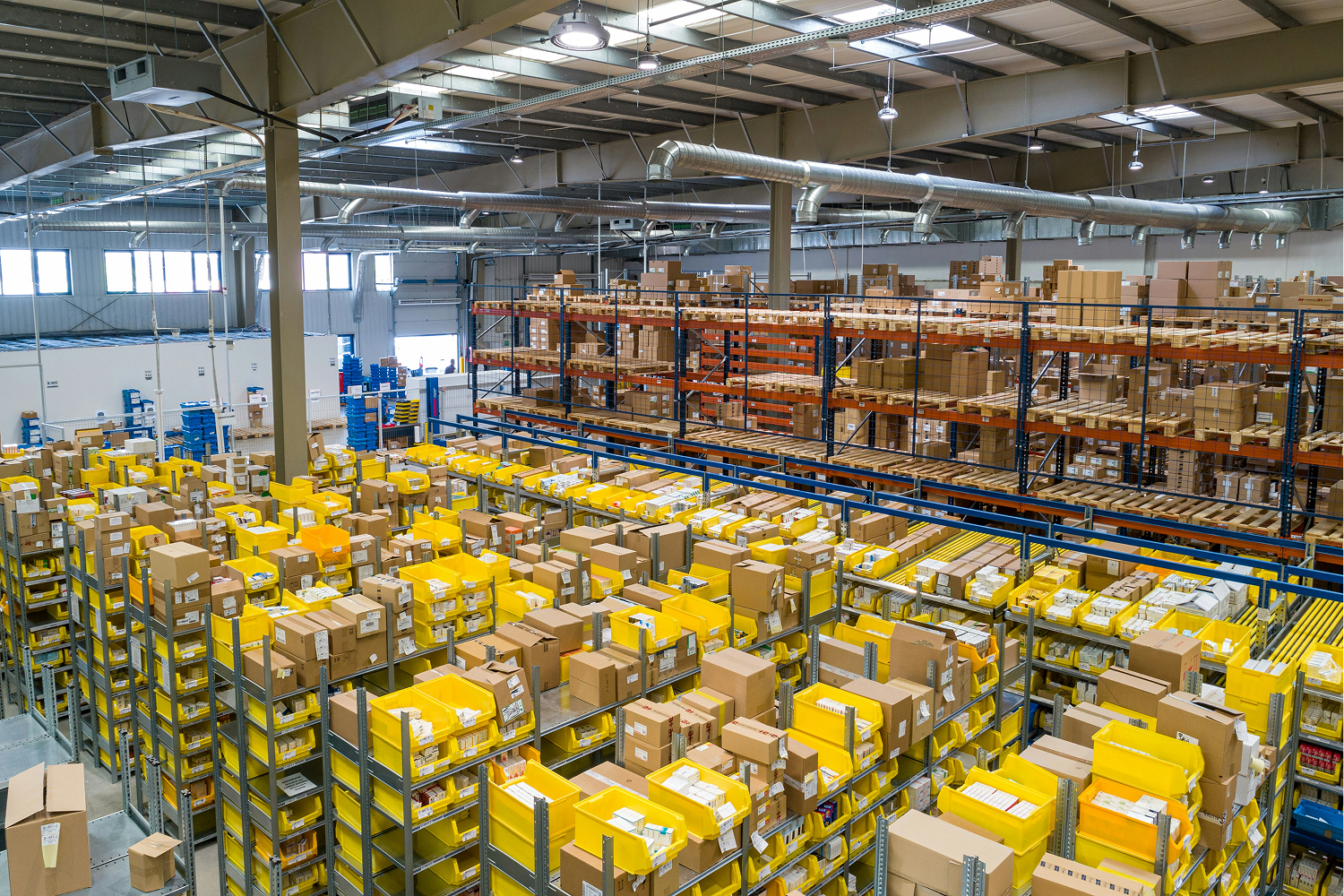
Shipping costs are a significant expense for businesses, particularly in the e-commerce and retail sectors. High shipping costs can impact profit margins and customer satisfaction, making cost optimization a priority. Partnering with a third-party logistics (3PL) provider can help businesses reduce shipping costs while improving efficiency. Here are some key strategies businesses can leverage when working with a 3PL provider to minimize shipping expenses.
1. Leverage Bulk Shipping Discounts
3PL providers handle logistics for multiple clients, allowing them to negotiate bulk shipping rates with carriers. By consolidating shipments and leveraging volume discounts, businesses can benefit from lower per-unit shipping costs. This is particularly beneficial for companies that ship high volumes of products.
2. Optimize Warehouse Locations
A strategically located warehouse network can reduce shipping distances and transit times. 3PL providers often have fulfillment centers in multiple regions, allowing businesses to store inventory closer to customers. This reduces last-mile delivery costs and enables faster shipping, which enhances customer satisfaction.
3. Use Data-Driven Shipping Strategies
3PL providers utilize advanced analytics to optimize shipping routes and identify cost-saving opportunities. By analyzing order patterns and customer locations, businesses can adjust their fulfillment strategies to reduce unnecessary shipping expenses. Predictive analytics also help in demand forecasting, ensuring efficient inventory distribution.
4. Implement Zone Skipping
Zone skipping is a logistics strategy where shipments bypass multiple carrier zones, reducing handling costs and delivery times. By leveraging regional distribution centers, businesses can send bulk shipments closer to the final destination before breaking them into smaller deliveries. This minimizes the number of transit zones, leading to lower shipping expenses.
5. Consolidate Shipments
Consolidating multiple orders into a single shipment can reduce costs associated with packaging, handling, and transportation. 3PL providers facilitate freight consolidation, allowing businesses to combine smaller shipments into larger loads. This approach is particularly useful for companies that ship frequently to the same locations.
6. Utilize Multiple Carrier Options
Different carriers offer varying rates based on package size, weight, and destination. A 3PL provider has access to multiple carrier options and can choose the most cost-effective one for each shipment. This flexibility enables businesses to optimize shipping costs by selecting the best carrier for their specific needs.
7. Adopt Sustainable Packaging Practices
Reducing package weight and size can significantly lower shipping costs. A 3PL provider can help businesses adopt eco-friendly, cost-effective packaging solutions that minimize dimensional weight pricing. Smaller and lighter packages lead to reduced shipping fees while also supporting sustainability initiatives.
8. Improve Returns Management
Handling returns efficiently is essential to keeping logistics costs under control. A 3PL provider can streamline reverse logistics, reducing return processing expenses and minimizing losses. By optimizing return policies and using localized return centers, businesses can lower shipping costs related to product returns.
Conclusion
Reducing shipping costs while maintaining efficient logistics operations is a challenge for many businesses. Partnering with a 3PL provider offers various cost-saving strategies, including bulk shipping discounts, warehouse optimization, data-driven decision-making, and carrier diversification. By implementing these strategies, businesses can enhance profitability, improve customer satisfaction, and gain a competitive edge in the market. Leveraging the expertise and infrastructure of a 3PL provider is a smart investment for businesses aiming to optimize their shipping operations.
